
To challenge the status quo. We are running to overcome the entrenched, apathetic central leadership of our union that has been in power for 17 years. If we win, CUNY Struggle will have ten delegates at the PSC delegate assembly, and we will work to pass resolutions that empower adjuncts and graduate students, as well as hold democratic, participatory chapter meetings.
To democratize the union. Empowering the rank and file is the only way to combat the imminent attack on public sector unions. We want to hold leadership accountable by instituting open bargaining and proportional representation in governance, so that members from all titles are able to play a meaningful role in our union. CUNY Struggle rejects the New Caucus’s reliance on lobbying and instead proposes a more militant strategy based on direct action and preparations for a strike to ensure we get $7,000 per course in the next contract. (Read the rest of our platform here.) The last contract, which our opponents supported, distributed most of the gains to the top tier of our union and kept CUNY adjuncts in poverty, making a measly $3,300 per course, which is less than $30k working full-time. This only continued the trend of CUNY setting the low bar for adjunct contracts city-wide, and it must stop now!
To fight for a broad social-justice-based union. Unions can and should fight for more than wages and job security. Working conditions like class size, control over GTF assignments, and diversity in hiring,to name a few, should be a part of bargaining negotiations. We also want a union that stands in solidarity with our students and with all New Yorkers, fighting for free tuition and against deportations & policing.
The incumbent slate, the New Caucus and Fusion Independents (“NCFI”, a rebranding of the New Caucus) have accused us of opposing “cross-title solidarity” with HEOs by misrepresenting an email we wrote about room capacity, in an effort to sidestep our debate challenge. It is clear that NCFI, much like the New Caucus, would rather not discuss the issues. They want you to take their progressive credentials at their word — but their record speaks for itself. They’ve had abysmal attendance at the delegate assembly, they’ve refused to take bold action against central leadership (even adopting the New Caucus name), and they’ve failed to put forward concrete democratic reforms. In an effort to cut through the mudslinging, we issued a public challenge to a debate open to all, which they’ve since accepted. Join us tomorrow, March 5th, at 5pm in room 9207 at the Graduate Center for a debate.
Ballots that include pre-paid postage were mailed to your home address on Monday: make sure you drop them in the mail by April 24th to ensure they get counted. Vote CUNY Struggle!
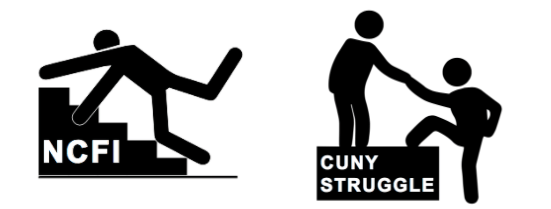
So what’s the difference between CUNY Struggle and the NCFI?
They are proposing a half step when only a full step will do it.

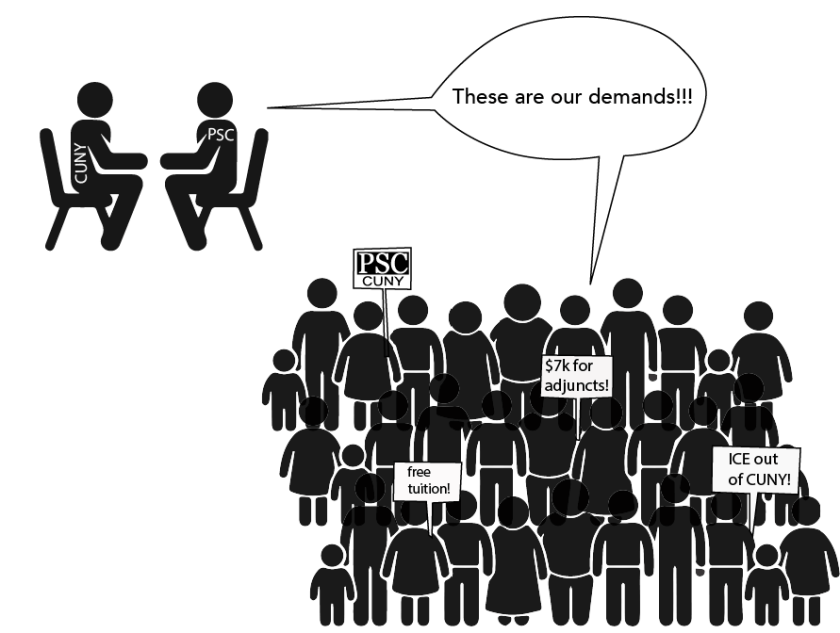
 In March 2016, we organized a Popular Assembly that brought together over 100 activists from across CUNY, including undergraduates and CUNY workers, to link the fight for a new contract with student struggles for free tuition and against campus policing.


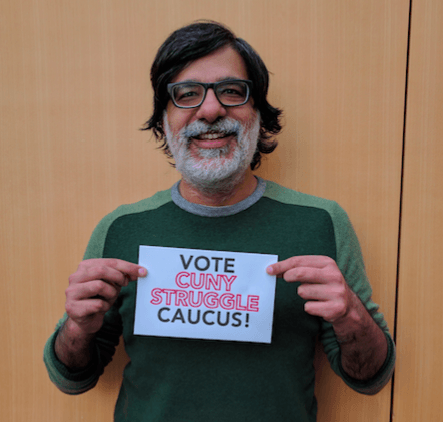
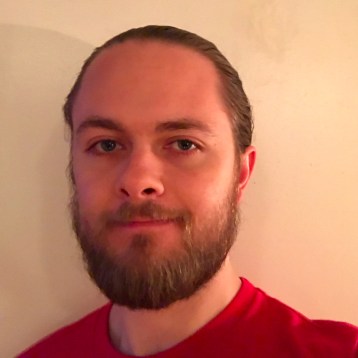 Andrew is a second-year PhD student in Sociology at the Graduate Center and teaches social theory at Queens College. He is also a member of the
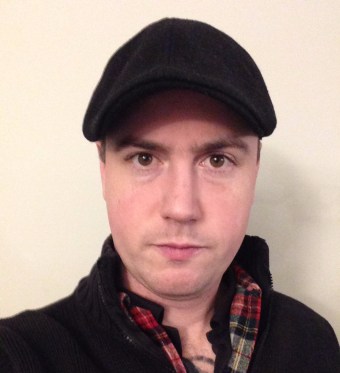 Jarrod (Environmental Psychology) is an activist-scholar, author, essayist, zinester, and political agitator. Jarrod has published over a dozen literary and political zines, co-edits the creative nonfiction journal Hard Crackers, and is a member of the Insurgent Notes collective. Jarrod has also published over two dozen essays and articles, translated into at least four languages, in venues including Vice, The New Inquiry, and Gothamist. Maximum Rocknroll called Jarrod’s “Satan Was So Over it” zine “witty, well executed, and still very punk” and The Industrial Worker called Jarrod’s novella It’s a Tough Economy! “a commendable contribution toward what working class literature could and should aspire.” Jarrod is a founding member of CUNY Struggle.
 Shelley is a PhD candidate in environmental psychology. She teaches in urban studies at Queens College courses including
 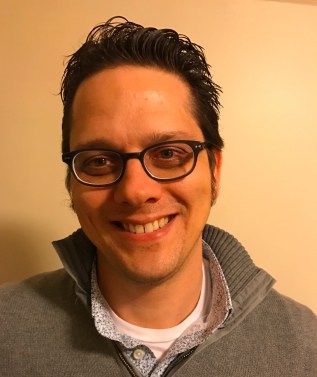 Jakob Schneider is a second-year doctoral student in the Environmental Psychology program. He teaches at Hunter College in the Urban Policy and Planning Department, and is a research associate at the Housing Environments Research Group at the Graduate Center. At present, he is conducting research in Chicago with a group that is employing a movement-based strategy to protect residents from eviction and reclaim bank-owned abandoned properties to provide housing to homeless families on the city’s South Side.
 Jeremy Randall is a PhD candidate in history. His dissertation focuses on the intersections of leftist political thought and culture during the Lebanese Civil War (1975-1990). He currently serves as the Officer for Library and Technology for the Doctoral Students’ Council and is one of the program representative’s for history and has previously been an adjunct instructor at John Jay College. Currently he is a WAC fellow at Hunter College.
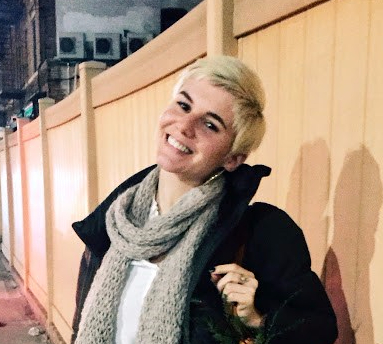 Amelia is a Doctoral Fellow in Sociology at the GC whose research focuses on the intersection of race and class in the American Labor Movement. After spending four years as a union organizer with Unite Here in Chicago, her most recent project looks at unions’ responses to the movement for black lives, examining actions taken by unions since 2014 to address anti-black racism as an issue that both impacts working class people’s lives broadly and plagues unions internally. Amelia lives in Brooklyn and teaches Sociology at John Jay College. She is an active member of the New York chapter of SURJ (Showing Up for Racial Justice).
  Nicholas Glastonbury is a PhD student in cultural anthropology at the Graduate Center and an instructor in the anthropology department at Hunter College. His dissertation research focuses on Kurdish-language radio broadcast infrastructures during the Cold War. He works as a freelance literary translator and currently serves as a co-editor of the Turkey Page for the e-zine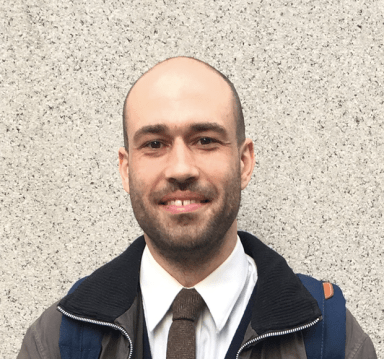
 cunystruggle.org